ADHD and Attention Differences
Activities designed with shorter segments, movement options, and built-in engagement to support sustained and selective attention.
Every Mind
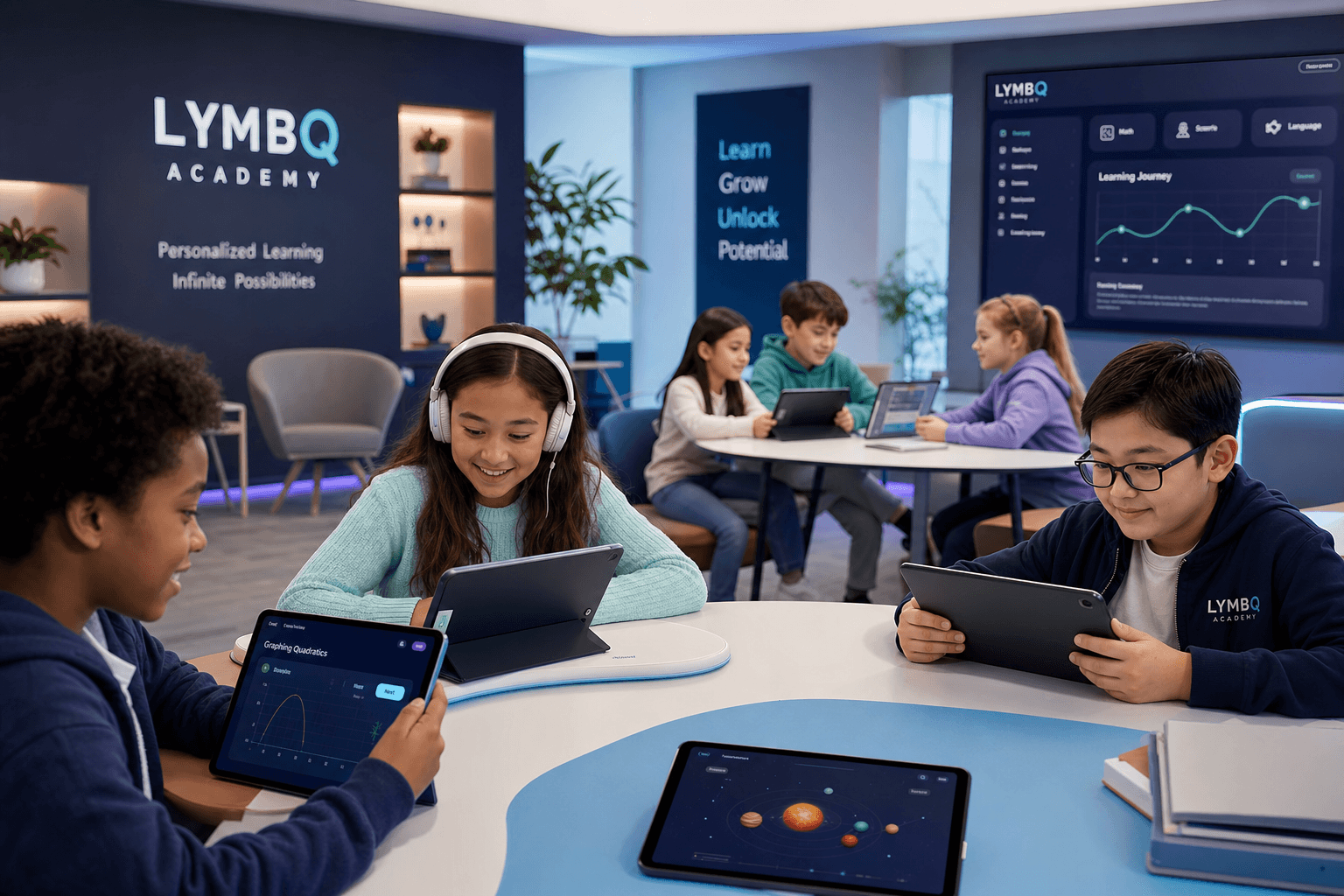
LYMBQ Academy provides flexible, engaging learning experiences designed for children who may benefit from shorter lessons, visual instruction, structured routines, movement, repetition, reduced distractions, or alternative ways of demonstrating understanding.
Who It's For
LYMBQ Academy is building learning experiences that recognize and adapt to the way each child thinks, focuses, communicates, and processes information.
Activities designed with shorter segments, movement options, and built-in engagement to support sustained and selective attention.
Predictable routines, visual supports, clear instructions, and reduced sensory complexity to create a comfortable learning space.
Multisensory reading activities, phonics-based instruction, visual aids, and audio narration to support literacy development.
Planning, organization, time-awareness, and goal-completion activities that build step-by-step thinking skills.
Adjustable sound, animation, contrast, and visual complexity to match each learner's comfort level.
Guided practice for conversation, turn-taking, emotional understanding, and recognizing social cues.
Working-memory games, sequencing, pattern recognition, and processing-speed activities for building cognitive fluency.
Physical challenges, movement breaks, rhythm activities, and coordination exercises woven into the learning experience.
Adaptive Learning
Every experience is designed with flexibility built in — so students can learn in the way that works best for them.
Sessions can be shortened or extended based on the learner's pace and focus.
Lessons offer both visual and audio instruction options to match learning preferences.
Simplify the interface, mute animations, and minimize visual clutter.
Students move at their own speed without time pressure or penalties for pausing.
Activities can be repeated as many times as needed with encouragement, not penalization.
Built-in opportunities for physical movement between learning segments.
Celebration of effort and progress, not just correct answers.
Consistent lesson structures that build familiarity and reduce anxiety.
Full control over sound effects, background music, and visual animations.
Activities accept different input methods — tapping, dragging, speaking, or selecting.
Learning Paths
Structured learning paths that build skills progressively with activities designed for different ways of thinking and learning.
Ages 5–12
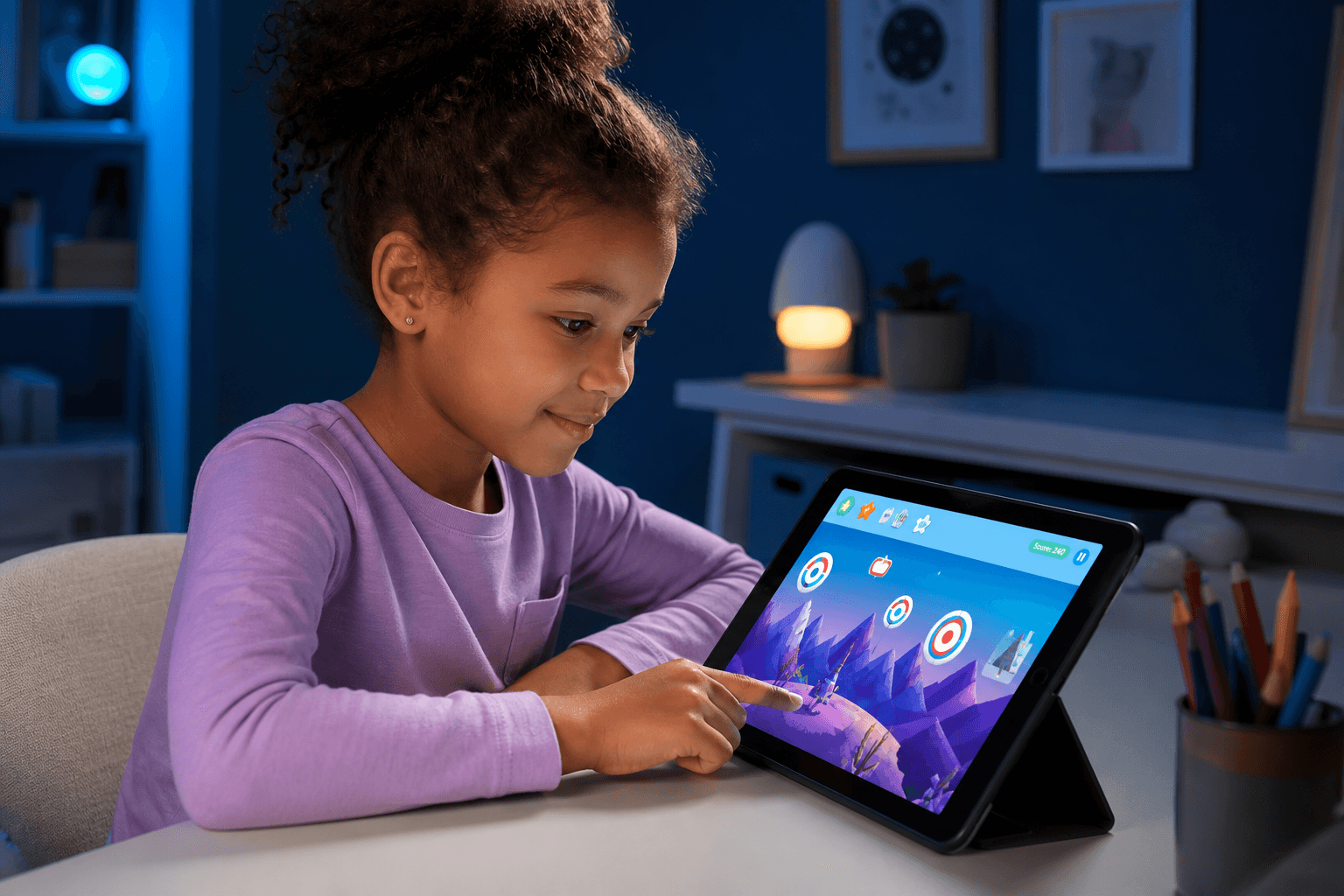
Activities that support sustained attention, selective attention, task completion, and impulse control.
Ages 5–12
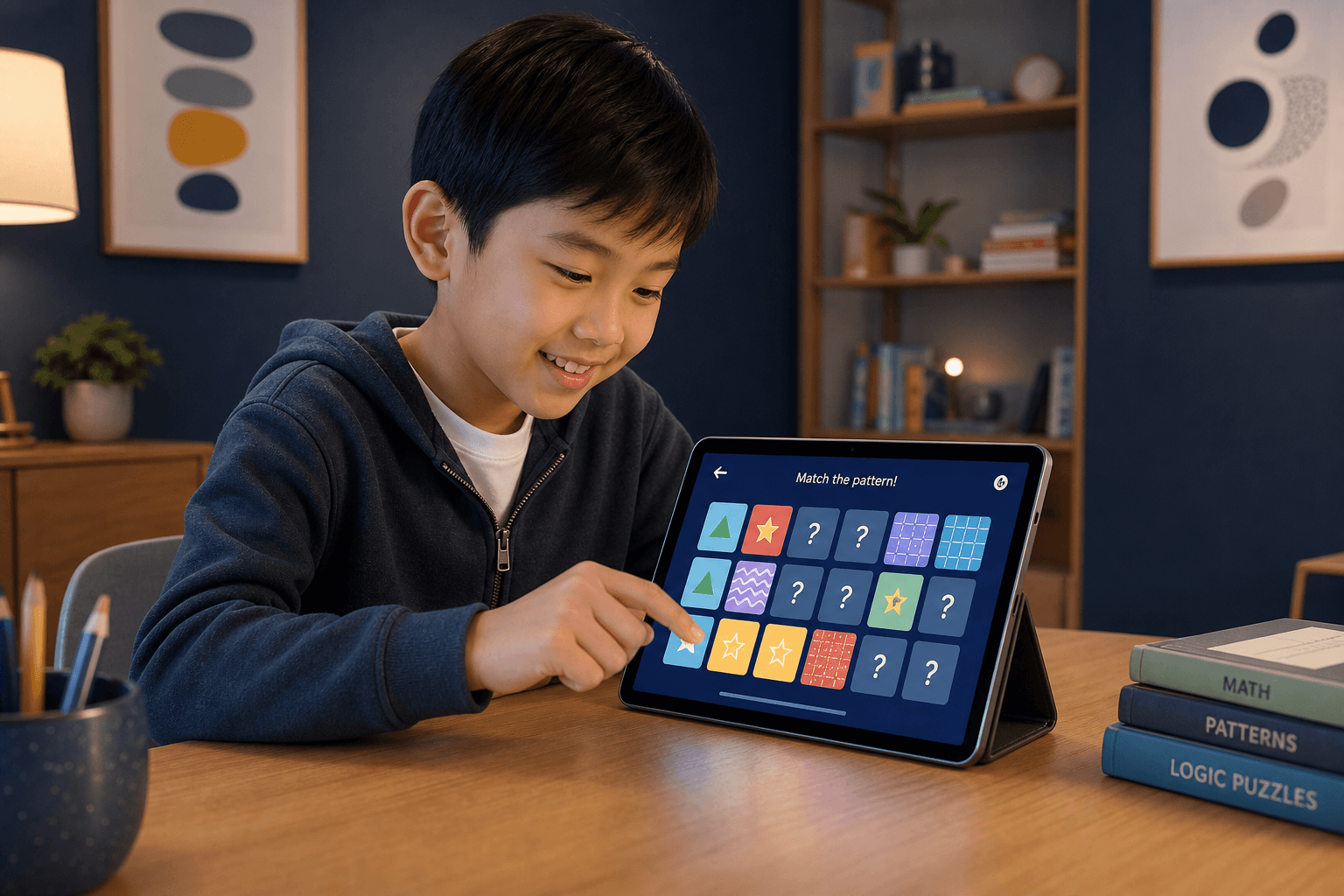
Working-memory games, sequencing, matching, recall, and processing-speed activities.
Ages 6–13
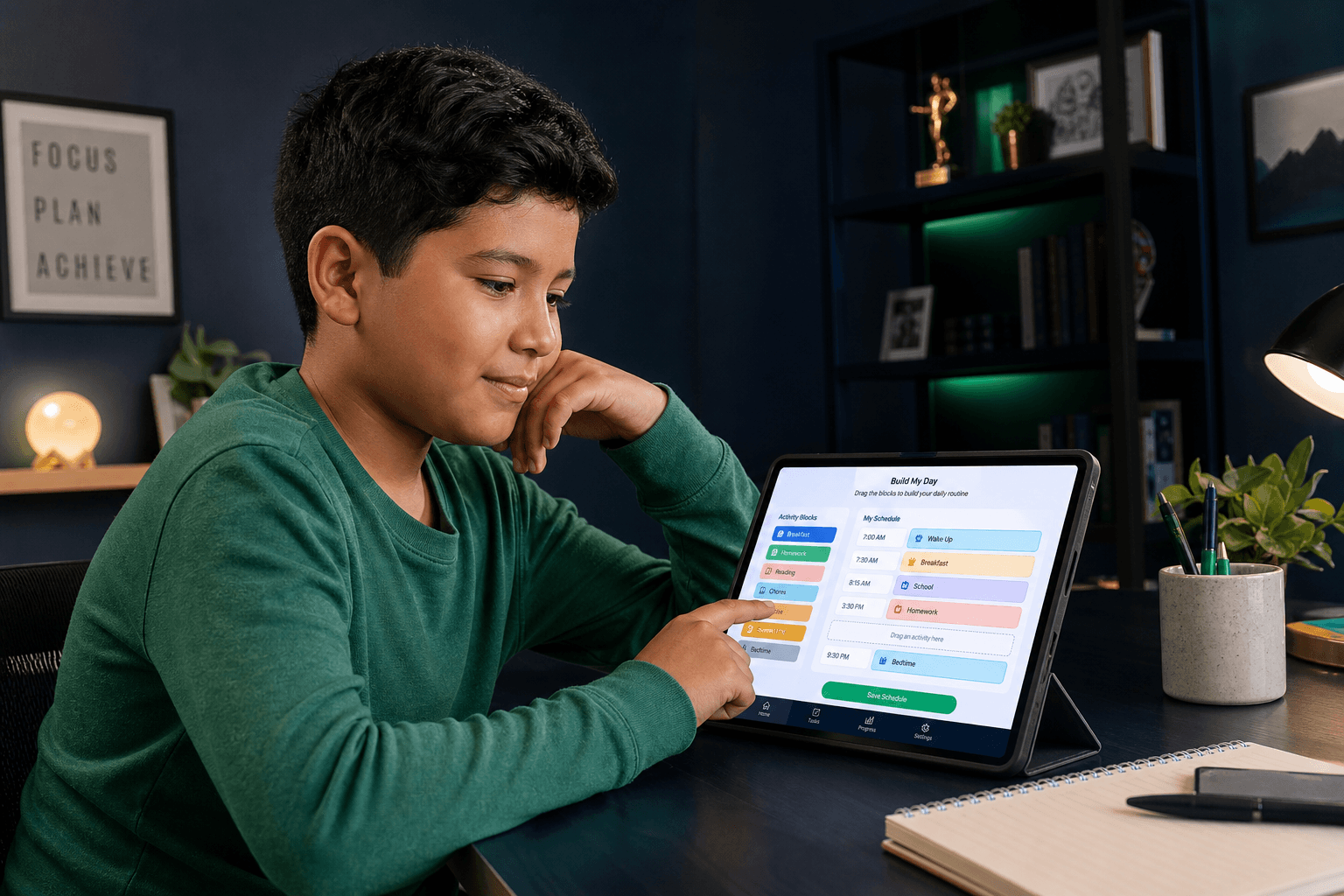
Planning, organization, time awareness, flexible thinking, routines, and goal completion.
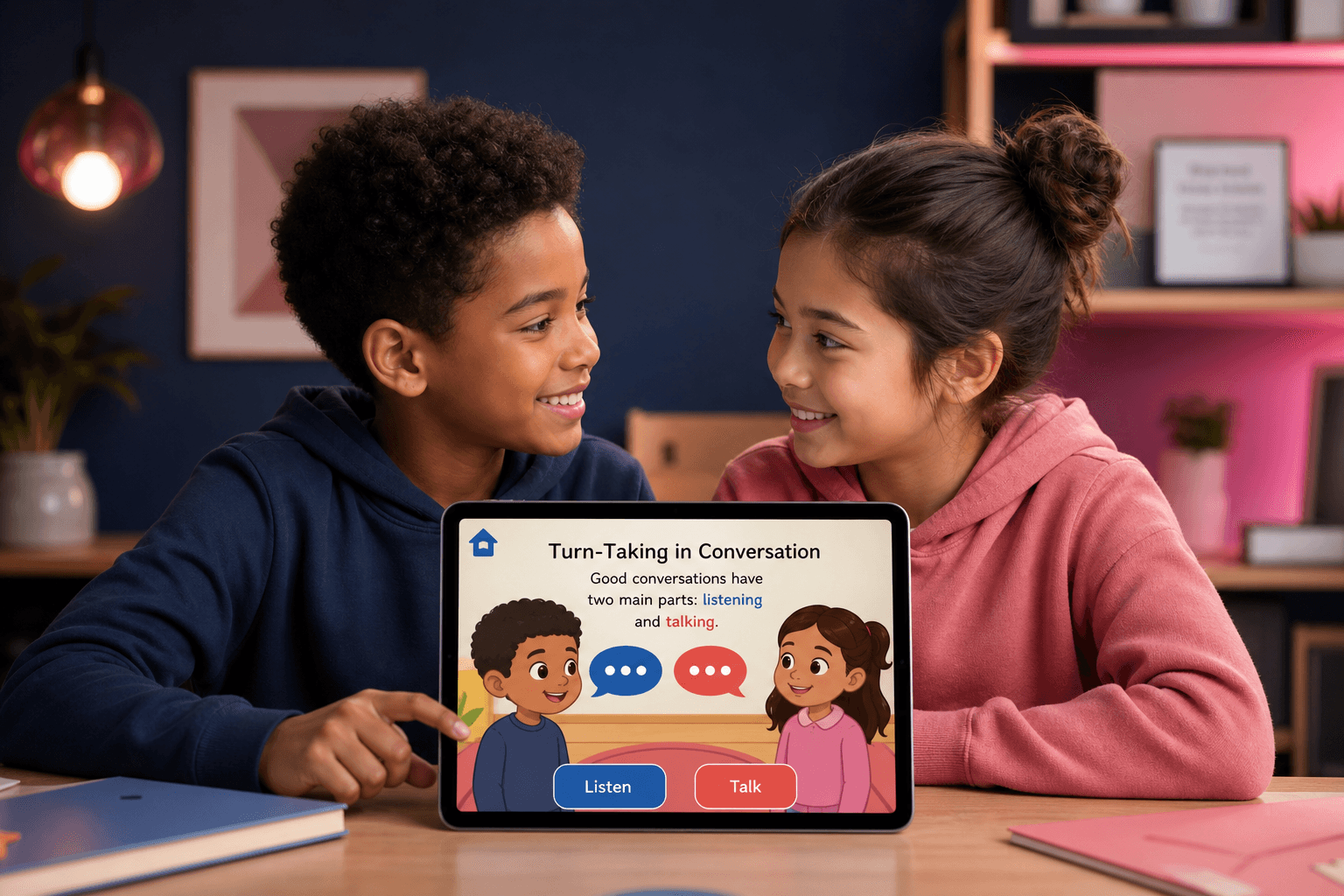
Ages 5–13
Turn-taking, recognizing social cues, conversation practice, emotional understanding, and conflict resolution.
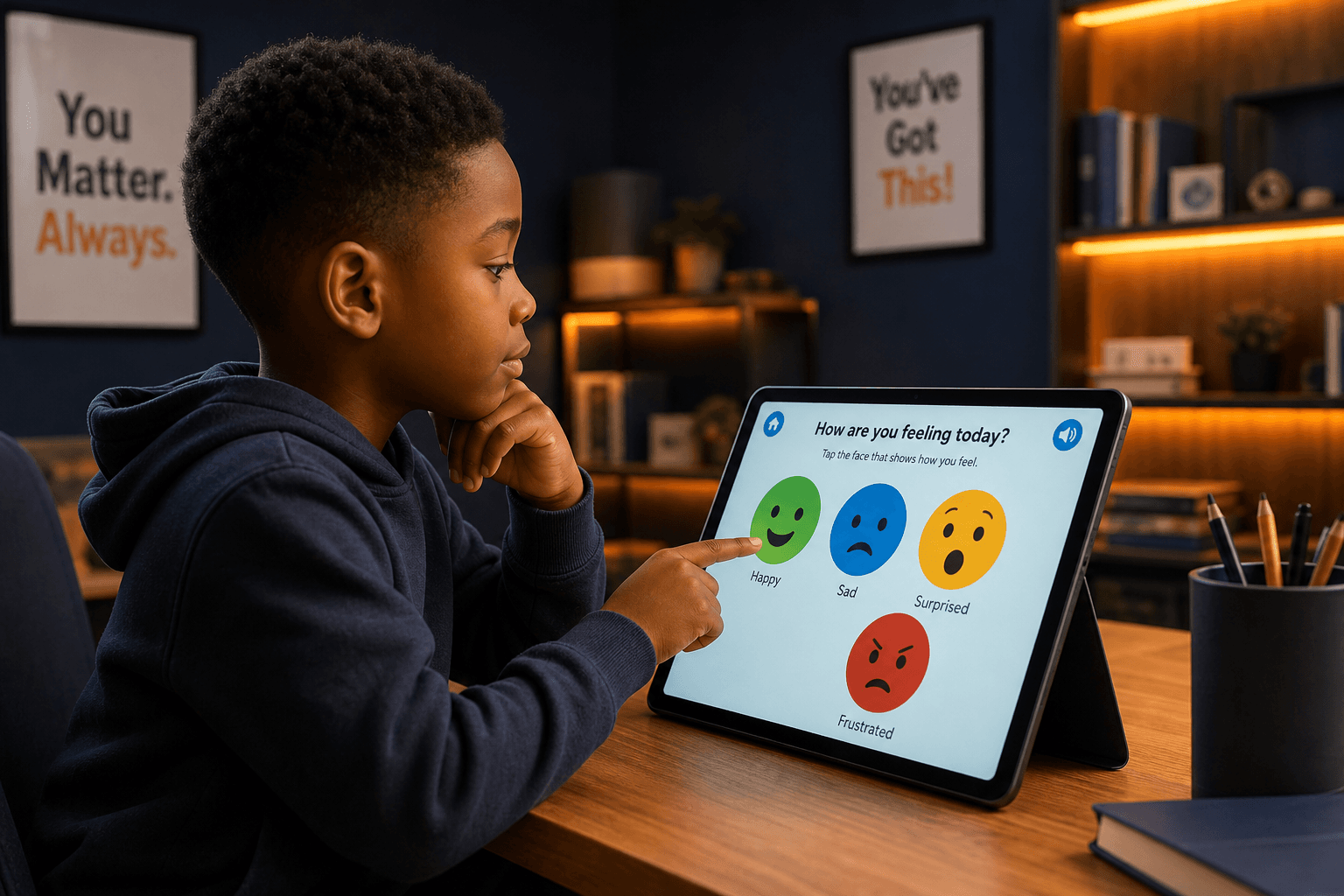
Ages 5–12
Identifying emotions, calming strategies, frustration tolerance, transitions, and self-awareness.
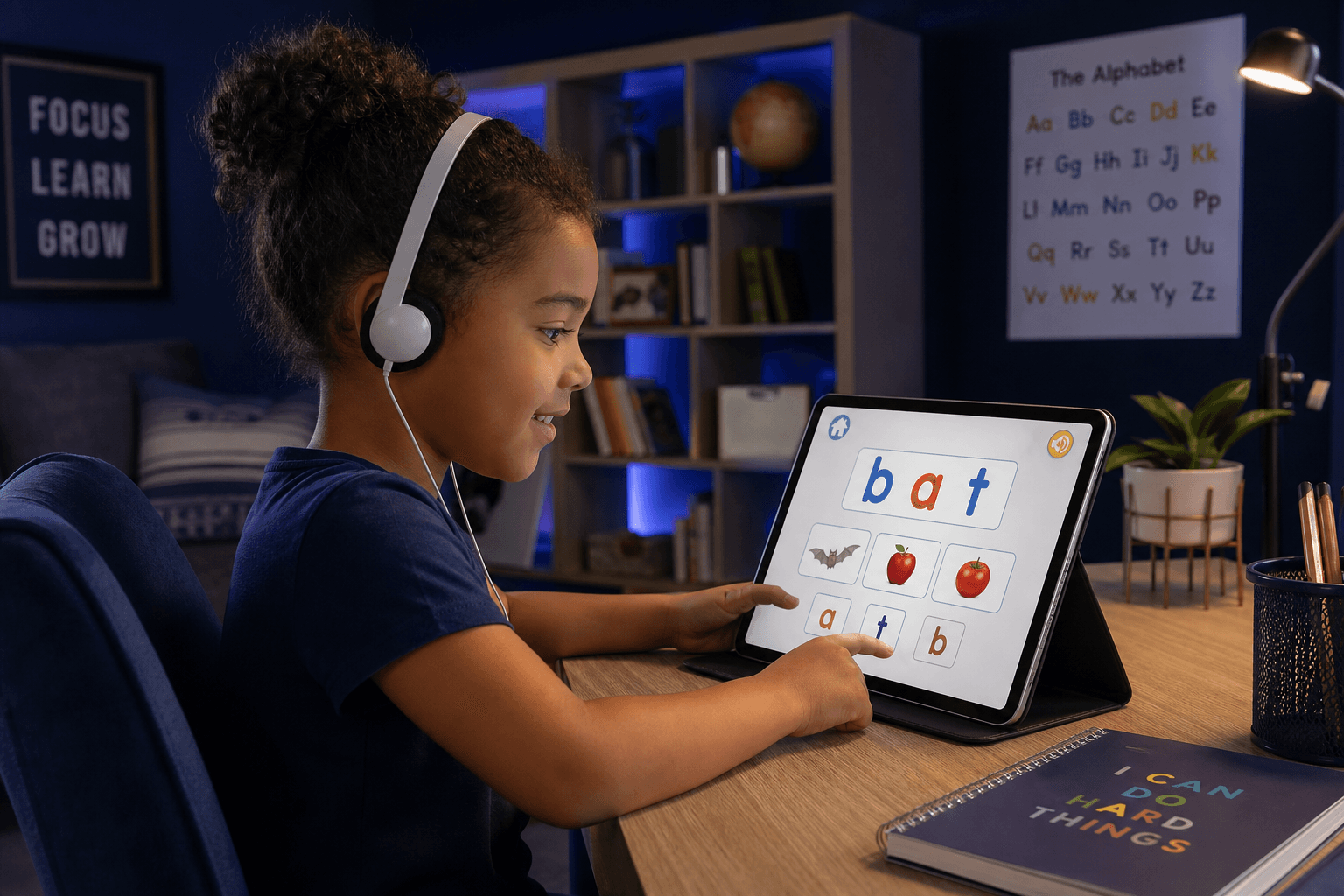
Ages 4–12
Phonics, vocabulary, comprehension, visual reading support, and multisensory literacy activities.
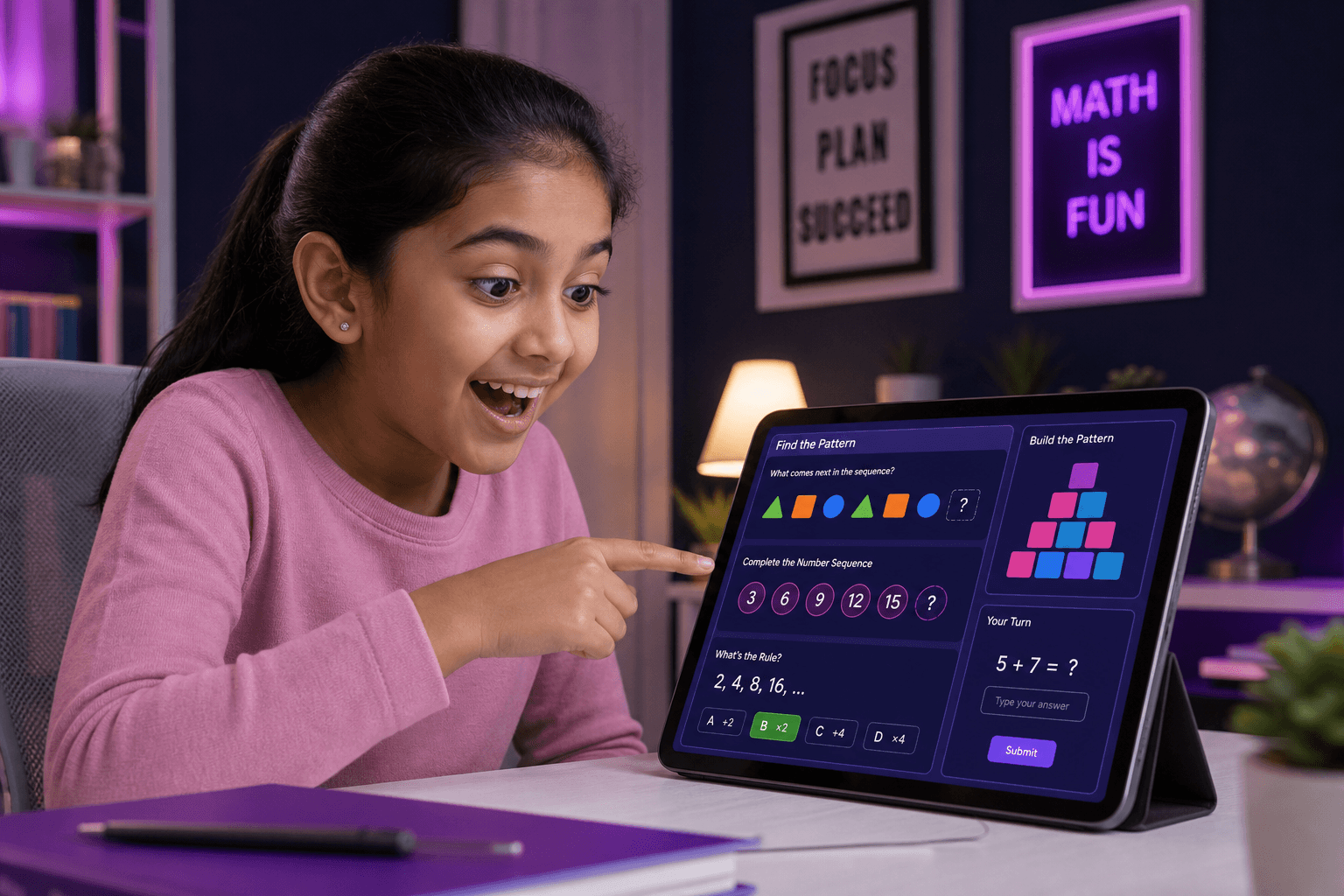
Ages 4–12
Number recognition, visual math, sequencing, pattern identification, and practical problem-solving.
Ages 4–13
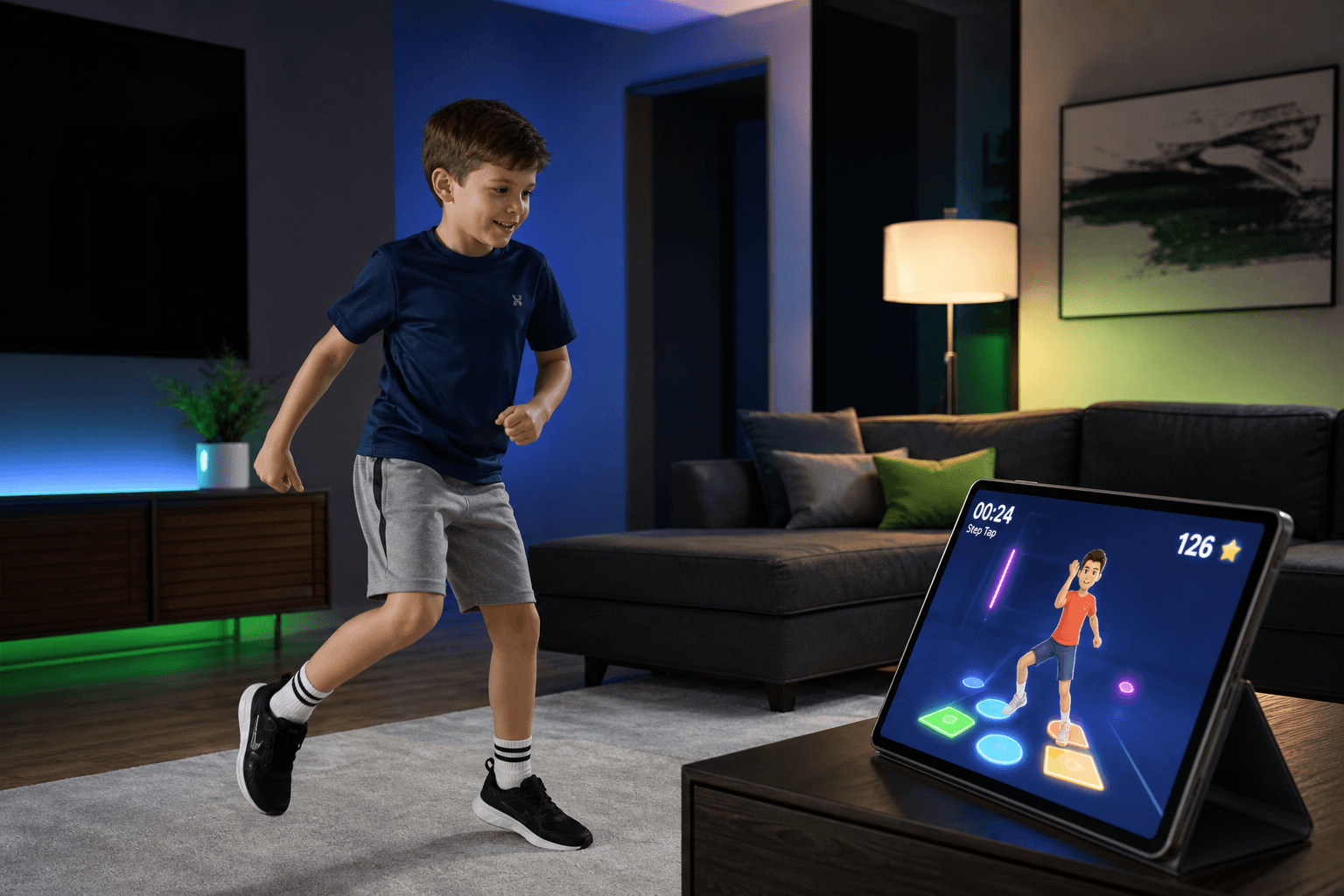
Balance, coordination, sports fundamentals, movement breaks, rhythm, and guided physical challenges.
Learning Games
Interactive games designed to build skills through engaging, supportive, and distraction-aware play experiences.
Complete tasks while ignoring visual or audio distractions.
Remember and repeat visual, sound, number, or movement sequences.
Build and complete visual morning, school, homework, and bedtime routines.
Identify emotions through facial expressions, scenarios, voice tone, and storytelling.
Practice greetings, turn-taking, asking questions, listening, and responding.
Find patterns, differences, matches, and sequences.
Choose breathing, stretching, sound, visual, or movement-based calming activities.
Complete simple physical challenges such as balancing, reaching, stepping, throwing, or dribbling.
Practice estimating time, following timers, completing steps, and transitioning between activities.
Make decisions in social, school, and daily-life scenarios and see the outcomes.
Parent & Educator Dashboard
Parents and educators will be able to view learning progress, identify strengths, and receive personalized recommendations — all in one place.
Dashboard features shown below are planned and in development. They do not represent live student data.
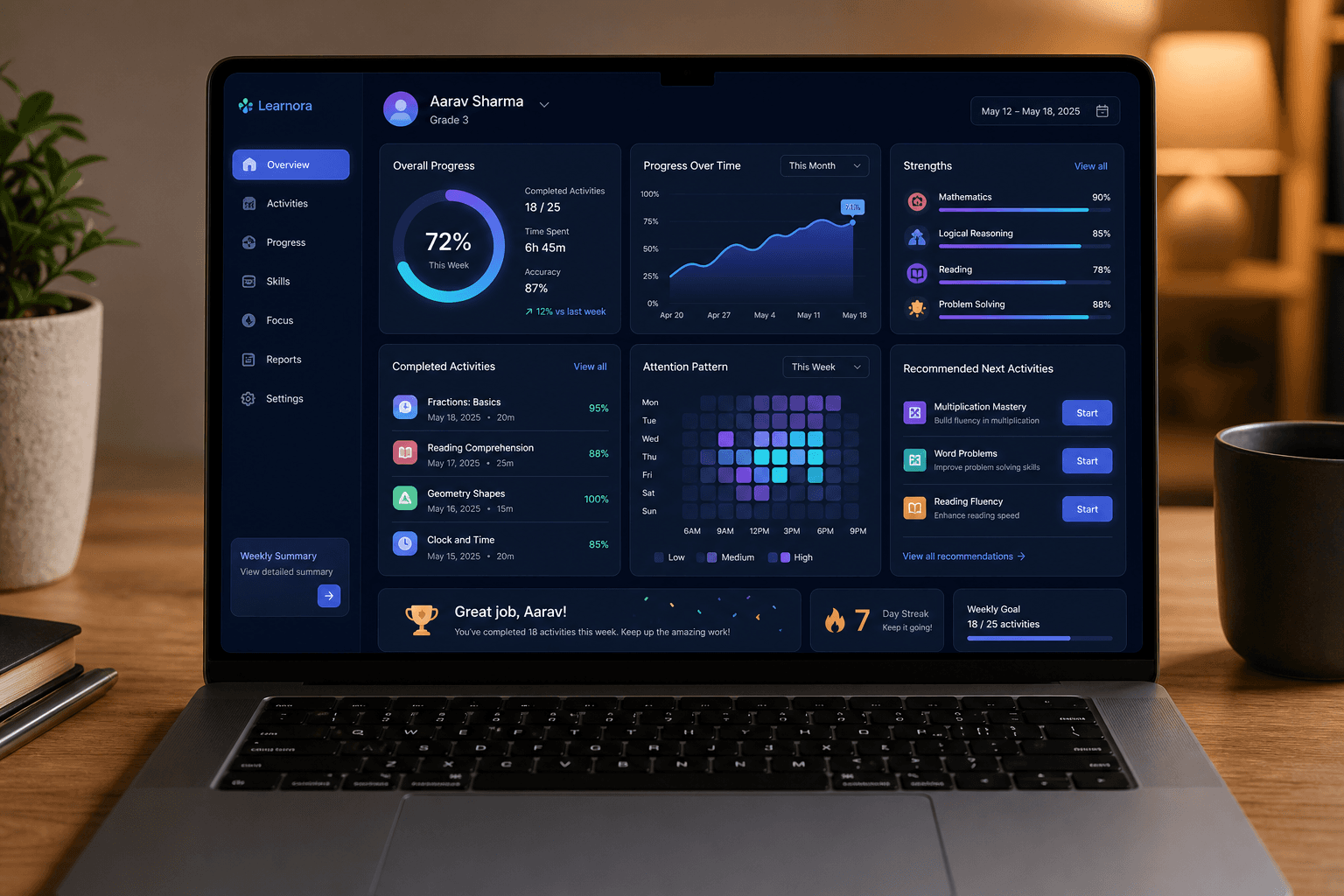
Completed Activities
Time Spent
Strengths
Areas Needing More Practice
Preferred Activity Types
Attention Patterns
Progress Over Time
Recommended Next Activities
Accessibility & Customization
Every student experiences the world differently. These settings let families and educators adjust the learning environment to match each child's needs.
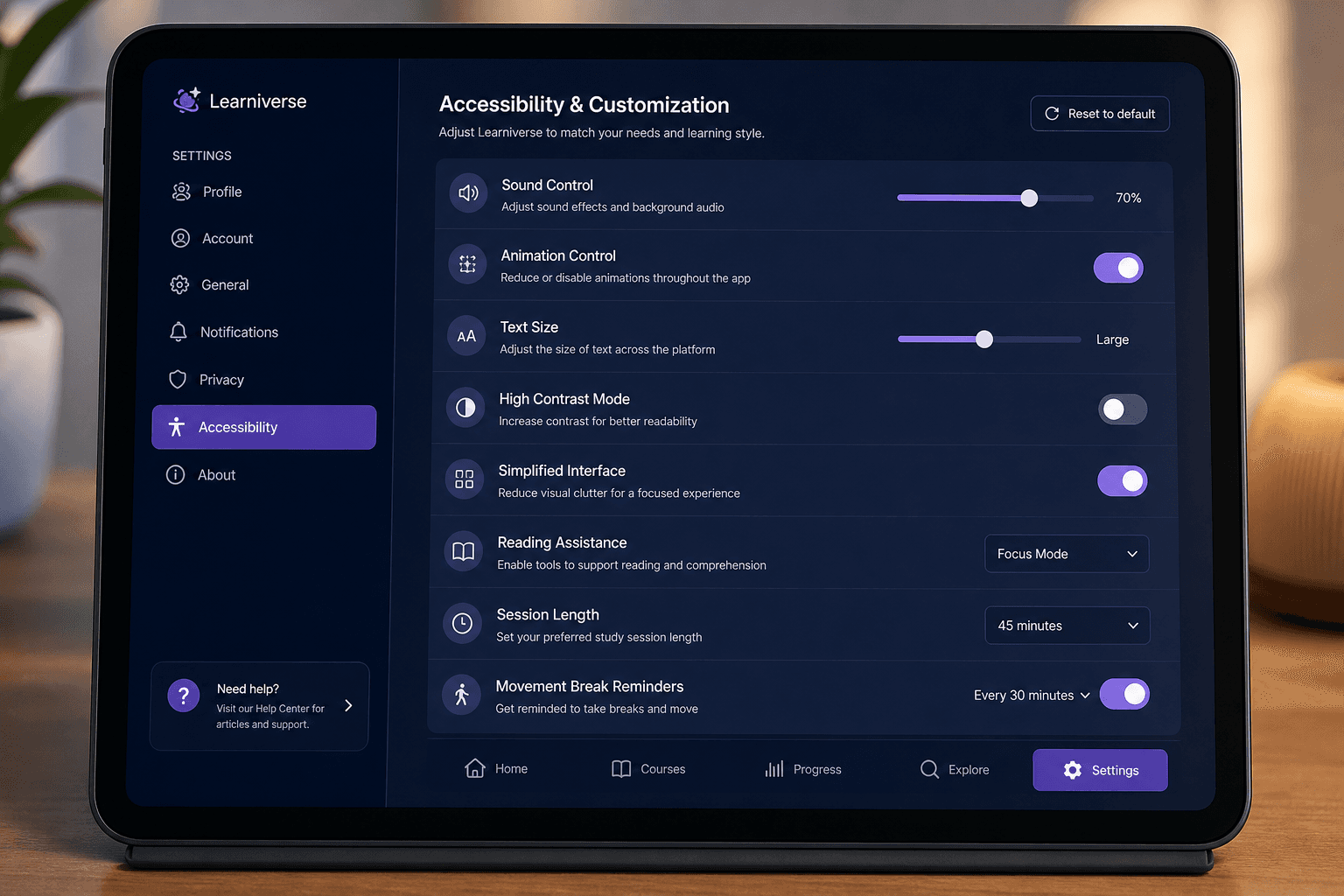
Adjust or mute sound effects, narration, and background audio independently.
Reduce or disable animations and visual transitions.
Increase or decrease text size across all lessons and menus.
Enable high-contrast color schemes for improved readability.
Reduce visual complexity by hiding non-essential elements.
Highlight text line-by-line or word-by-word during reading activities.
Display lesson steps visually so students know what comes next.
Set maximum session durations with gentle transition reminders.
Automatic prompts for physical movement between learning segments.
LYMBQ Academy's Every Mind experiences are educational tools designed to support learning and skill development. They are not intended to diagnose, treat, or replace professional medical, behavioral, educational, or therapeutic services.
We plan to develop these experiences with input from families, educators, specialists, and accessibility professionals.
Ready to explore? Enroll in LYMBQ Academy or request a demo.